
Kuan pujan decoration usually focuses on three things: a decorated spot that represents the well (often a clean water source or a symbolic kalash in modern homes), a festive path for the new mother's procession, and a comfortable seating area for the women's gathering with songs and blessings. Marigold, mango leaves, rangoli and bright fabrics suit the traditional mood, and a few balloons or a name board add a modern touch.
- Ask elders where and how the ritual will be done: an actual well, a tap, a handpump or a symbolic kalash.
- Decorate the ritual spot, the path to it and the gathering space.
- Prioritise comfort for the new mother: short walk, shaded route, a cushioned seat.
- Plan for dholak, songs, sweets and return gifts, which are central to the occasion.
Kuan pujan, also called jalwa pujan or kuan poojan in different regions, is a ceremony performed after a baby's birth, mainly in North Indian families, including many in Delhi, Haryana, Uttar Pradesh, Rajasthan and Bihar. Traditionally, the new mother goes in a small procession with the women of the family to worship the village well, offering thanks for water and praying for the health of the baby. In cities where wells are rare, families adapt the ritual to a tap, a handpump, a water tank or a decorated kalash at home.
First, understand your family's version
Kuan pujan varies more than many other ceremonies. Before planning any decoration, sit with the elders and ask:
- When is it held? Many families do it some weeks after delivery; the timing is often decided by elders or a pandit.
- Where will the worship happen: a well, a tap, a water tank or a symbolic kalash?
- Does the mother carry a pot of water on her head on the way back, and who accompanies her?
- What does she wear, and which jewellery or items are traditional?
- Is it a women-only gathering, or will the whole family attend?
- Are there specific songs, games or customs, like the devar or bua having a role?
Once you know the shape of the ceremony, the decoration and arrangements fall into place.
Kuan pujan decoration for the ritual spot
The ritual spot is the heart of the ceremony. In a city flat or independent house, families usually create a symbolic "well" or decorate the water source.
Symbolic kalash or well
A large brass or copper kalash, or a small decorated water container, placed on a rangoli with mango leaves, a coconut and flowers. Some decorators build a small well-shaped structure with bricks or cardboard covered in flowers.
Decorated tap or handpump
If the ritual is done at an actual tap, handpump or tank, decorate it with marigold garlands, a small rangoli on the ground and a few diyas placed safely nearby.
The puja area
Keep a thali ready with roli, rice, haldi, flowers, sweets and other items your family uses. A small low stool helps the new mother sit during the puja without strain.
The path and procession
In many families, the women walk with the new mother to the ritual spot singing traditional songs, often with a dholak. Even if the walk is just from the living room to the balcony or a society garden, decorating the path makes it feel special.
- Flower petal path or a short rangoli trail.
- Marigold torans at the doors along the way.
- A small canopy or umbrella for the mother if walking outdoors in sun.
- Safe, non-slippery flooring. A new mother may still be recovering, so avoid wet petals on smooth tiles.
In gated societies, inform the RWA if the procession will pass through common areas, especially with music.
The gathering space
After the ritual, women of the family and neighbourhood usually gather for songs, dholak, sweets and blessings for the mother and baby. This is where most of the decoration can go.
| Element | Ideas |
|---|---|
| Backdrop | Marigold and white flower strings, bright dupatta drapes, or a pastel balloon garland |
| Seating | Floor seating with gaddas and bolsters, plus chairs for elders |
| Mother's seat | A decorated chair or low sofa with back support and cushions |
| Baby's spot | A small decorated cradle placed in a quieter corner |
| Signage | Name board for the baby or a "Kuan Pujan" sign in Hindi or English |
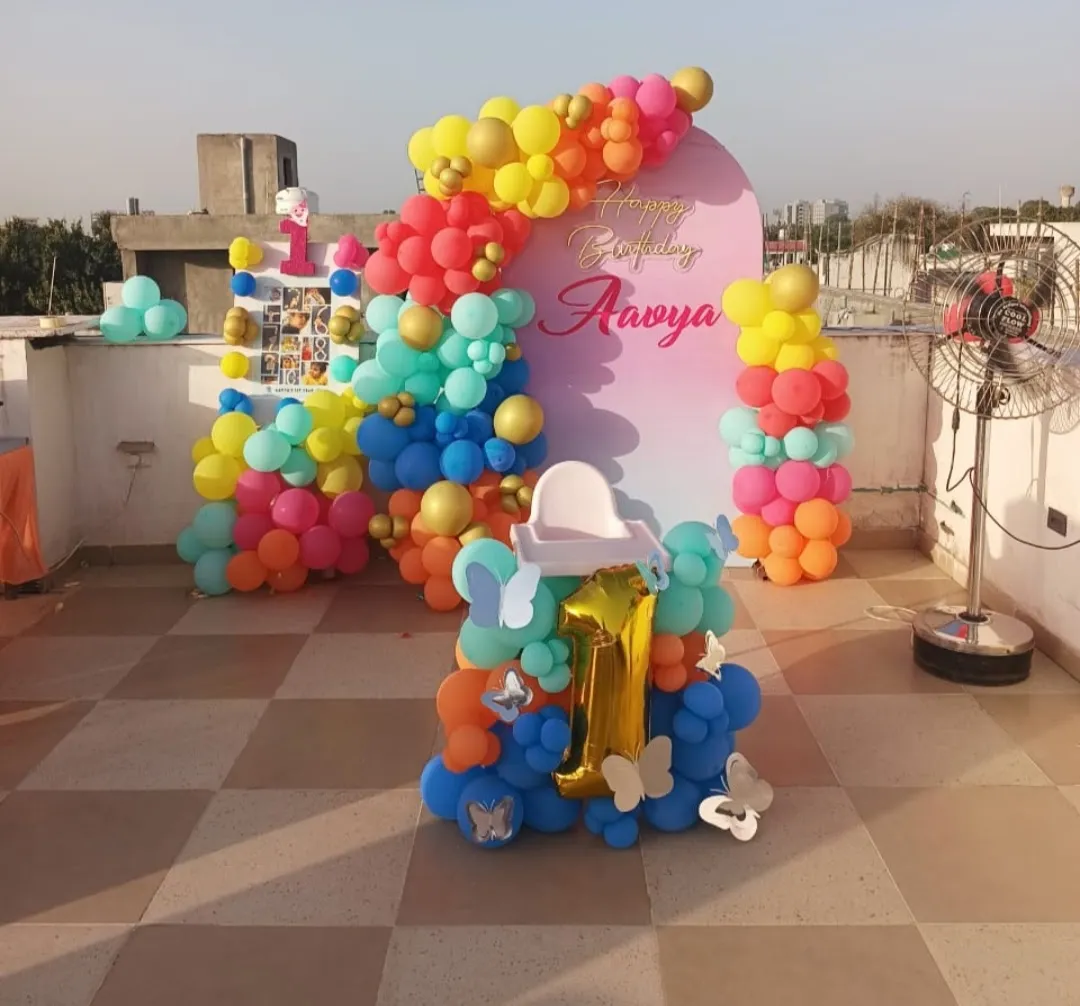
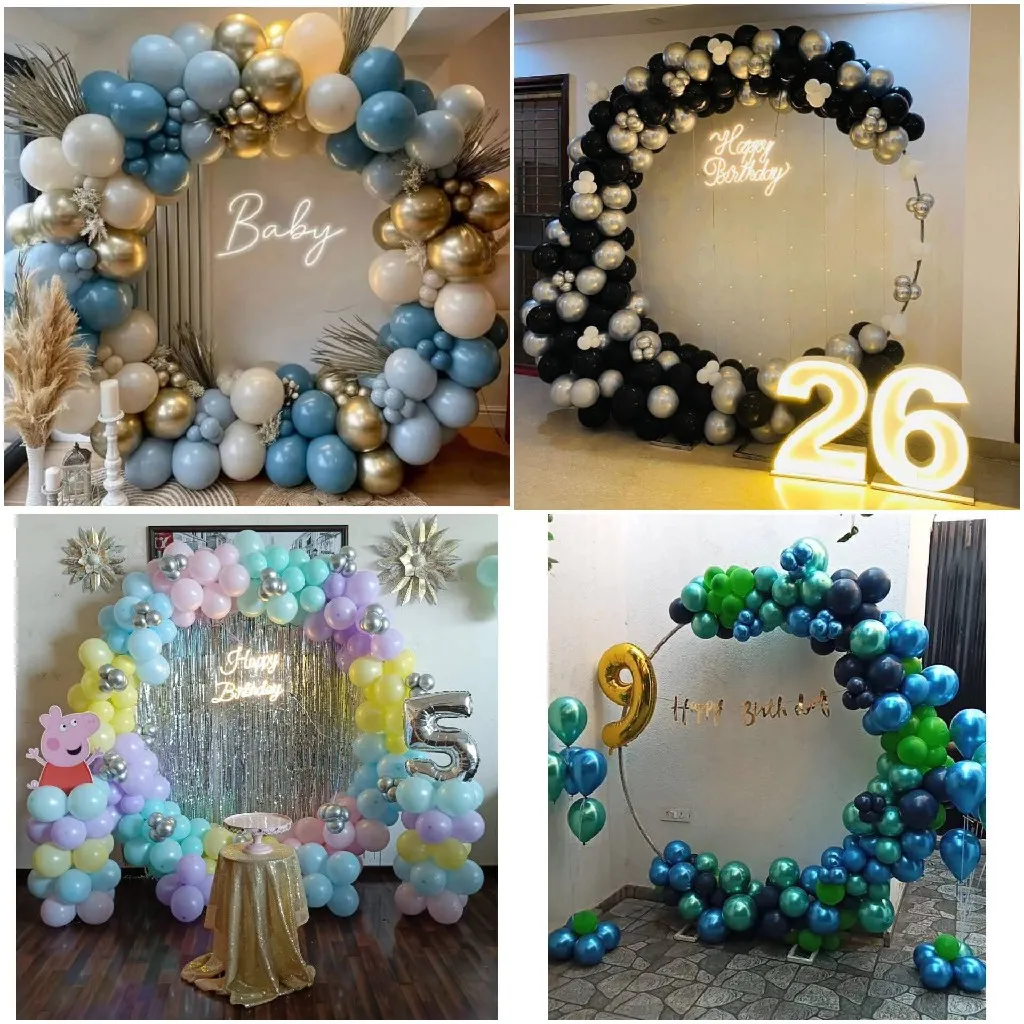
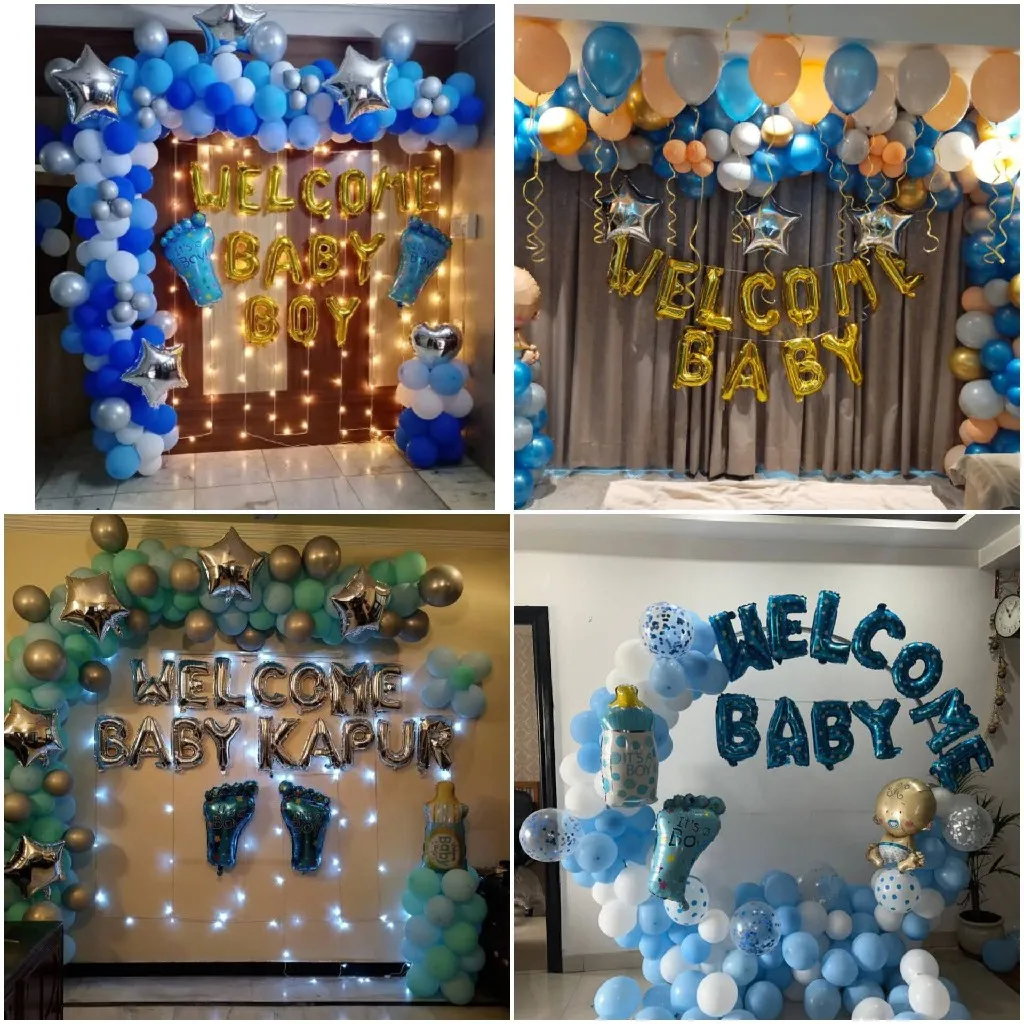
Bright colours like yellow, orange, red and green suit the festive, folk spirit of the occasion. A few modern touches, such as a balloon arch or acrylic sign, give younger family members their photo moment.
What else to plan
- Music: A dholak and someone who knows the traditional songs. Some families arrange a dholak player.
- Food: Sweets, laddoos and snacks for the gathering; a full meal if relatives are coming from out of town.
- Outfit: The new mother's traditional outfit and jewellery, chosen for comfort.
- Return gifts: Sweets, bangles, small utensils or other items your family traditionally gives.
- Photography: The procession and the ritual make lovely candid photos.
- Weather: If the ritual is outdoors, plan for Delhi's summer heat or winter fog by choosing the time carefully.
Comfort for the new mother
It is easy to forget, amid songs and rituals, that the guest of honour has recently given birth. Keep the walk short, offer her water, plan a seat with back support and keep the overall programme to a reasonable length. If she has had a caesarean delivery, consult her doctor about how much walking and carrying is advisable, and let elders know any adjustments in advance.
How Party Point can help
Our naming, mundan and kuan pujan package includes symbolic well or kalash décor, a flower path, a comfortable decorated seat for the new mother and a festive backdrop for the gathering. We can adapt to your family's version of the ritual and also arrange sweets, snacks and return gifts. Starting prices vary, so ask the planner for a quote.
Honouring tradition, gently
Kuan pujan is one of the warmest family rituals after a baby's arrival, full of songs, laughter and blessings. With thoughtful kuan pujan decoration and a plan built around the new mother's comfort, it becomes a beautiful memory for the whole family. When the elders have fixed the date, let us help you prepare.
Frequently asked questions
What is kuan pujan and why is it done?
Kuan pujan is a post-birth ritual followed by many North Indian families, in which the new mother worships a well or water source with the women of the family. It expresses gratitude for water and seeks blessings for the health of the mother and baby. Customs vary by family and region.
When is kuan pujan done after delivery?
Timing varies. Many families hold it some weeks after delivery, often after the mother has rested, while others follow a specific day or muhurat suggested by elders or a pandit. Ask your family elders and consider the mother's recovery, especially after a caesarean.
How is kuan pujan done in a flat without a well?
Families adapt the ritual by worshipping a decorated tap, a water tank, a handpump in the society, or a symbolic kalash filled with water placed on a rangoli at home. The songs, procession and blessings remain the same. Ask elders which adaptation suits your family's customs.
What decoration is used for kuan pujan?
Common elements include marigold garlands, mango leaves, rangoli, a decorated kalash or symbolic well, a flower petal path, bright dupatta drapes and a decorated seat for the new mother. Some families add balloons, a name board for the baby or a small cradle for modern photos.